User manuals, maintenance guides, e-learning content — all of it starts the same way: engineer notes, spec sheets, old versions of the document, sometimes just a conversation written down. Turning that into structured, professionally formatted documentation is normally where a technical writer spends the first few hours just making sense of what they were given.
DAT's platform does that first pass for you: automatically, and on your own infrastructure.
How it works
Drop in your source material and pick a document type. The engine reads and merges everything you provide — notes, specification sheets, existing documents in Word or other formats — and produces a structured draft: a clear title, an identification block, organized sections written in proper prose rather than fragments, bulleted lists where they actually belong, safety warnings called out visually, and figure placeholders marking exactly where an illustration is needed. The result comes out as a formatted Word document, styled and ready to hand to a reviewer.
Contact us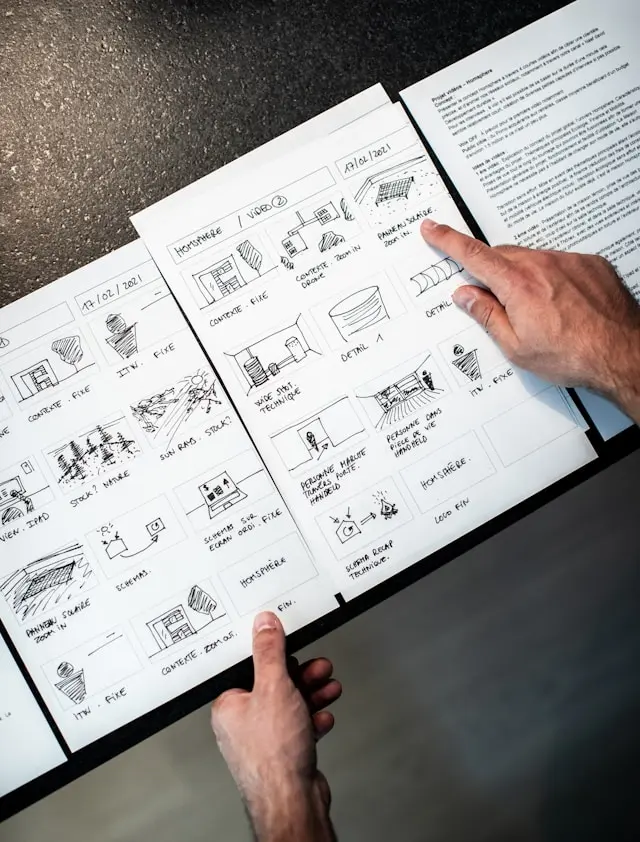
Built for the documents you actually produce
- User manuals. End-user facing documentation, structured for clarity: what the product does, how to use it, what to do if something goes wrong.
- Maintenance manuals — procedure-driven documentation where structure and precision matter as much as completeness: steps in order, parts correctly referenced, warnings where they belong.
- E-learning content — source material restructured for a learning format, with the same rigor applied to technical accuracy.
Each document type runs on an editable template that defines exactly how that kind of document should be written — the structure, the section order, the tone. Your domain expertise lives in a template you control, not buried inside a black box.
What makes it trustworthy, not just fast
Nothing invented. The engine drafts only from what you actually provide. Any number, value, or instruction it doesn't have is flagged in a dedicated gaps-to-fill section — never guessed, never silently filled in. On technical and safety documentation, that distinction matters more than speed.
Self-hosted AI. The engine runs on DAT's own servers, not a third-party service — your source material, and everything drafted from it, never leaves our infrastructure.
Built for real inputs. Attach your files as they are — Word documents, notes, existing versions of the manual — the text is extracted automatically and folded into the draft alongside whatever else you provide.
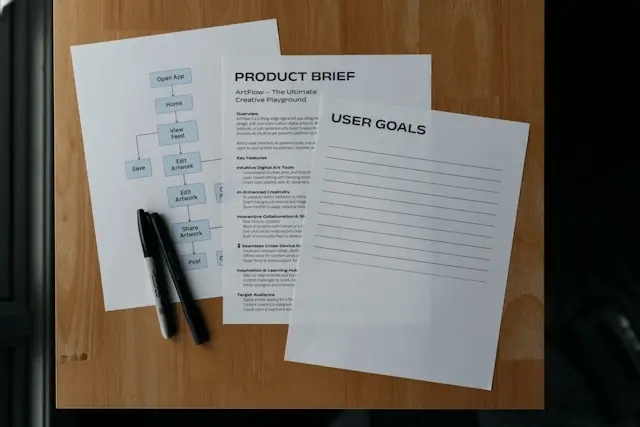
From a pile of raw material to a structured, on-brand document in hours, not days
The draft that comes out is a starting point for review, not a finished deliverable pretending to be one. It's built so a reviewer spends their time checking accuracy and judgment calls — not reformatting, not restructuring, not chasing down which section a given note was supposed to belong to.
Need the result translated into another language, consistent with your existing documentation? [See Translation ]